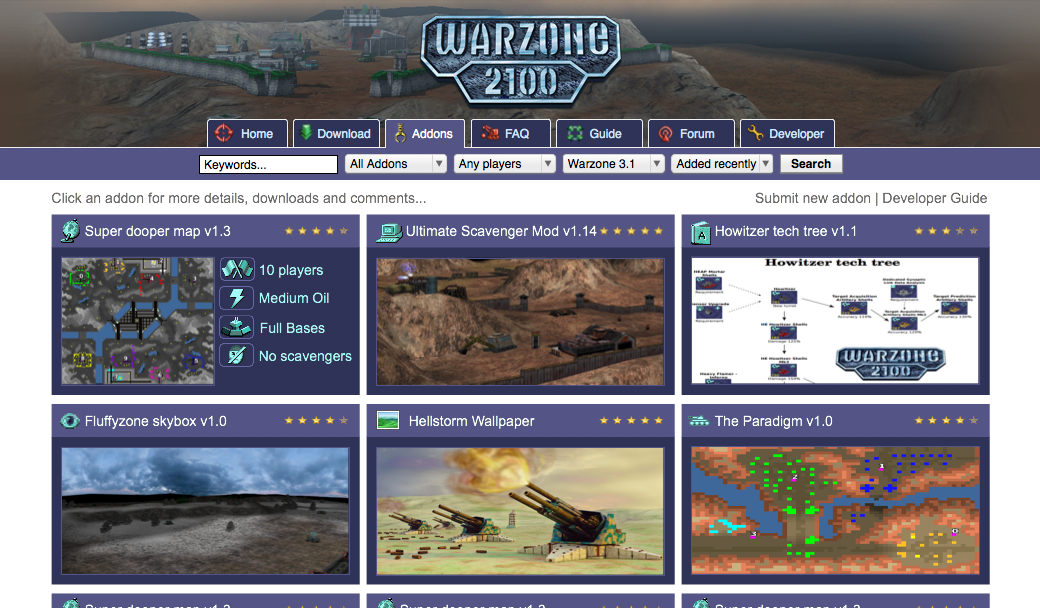
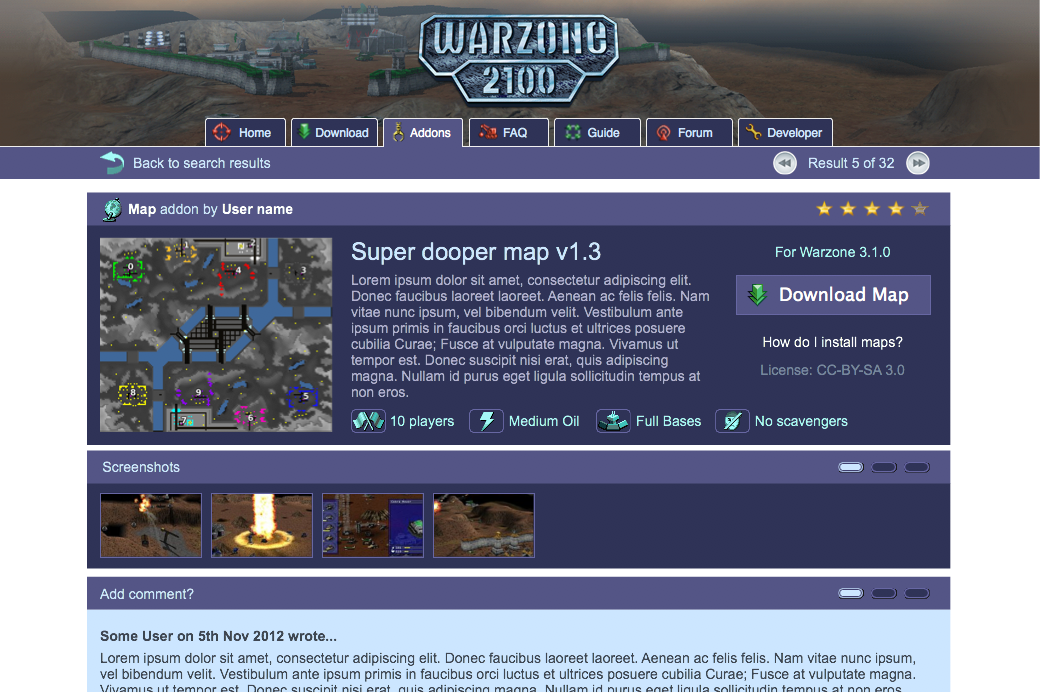
@Per: You're talking about making life easier for end-users, but I get the distinct impression the real motivation is to make life easier for yourself. Which is good, I'd do the same and I'm sure everyone else would too in your position. Please correct me if I'm wrong.
I'm not in your shoes but I imagine that if I was I'd see a constant stream of bug reports, many of which turn out to be mod related. It's difficult to improve an app when you're constantly swamped with bug reports, and very frustrating when lots of those bugs turn out to be mod-related.
For 7 years I was CEO of a small company that made mods (or plugins as we called them) for an enterprise wiki app, specifically Atlassian's Confluence wiki. Confluence was insanely moddable, you could change just about anything and add completely new features to it through mods.
As one of the first companies to make mods for Confluence, we ran in to all sorts of issues. In the early days end-users had some massive gripes about mods:
1. Where to find them
2. How to determine which version of the mod, if any, works on my version of the app
3. How to install or upgrade them
4. Where to go for help if the mod breaks
So, we made a plugin (mod) manager. Each mod was given some metadata that defined a bunch of useful stuff, such as:
* Title, Description
* Author username
* Homepage URL
* Support URL
* Screenshots
* What version(s) of the app it was known to work on
Each new release of a mod had it's own set of metadata. End-users could then:
* See a list of which mods were compatible with their version of the app
* See when an installed mod had updates available and one-click install it -- great for rolling out bugfixes!
The usage of mods skyrocketed. With a "single source of truth" for mods, users could quickly find what they were looking for, and knowing it was tested on their version of the app install with a single click.
Over time the mod manager evolved to make life easier and easier for end-users. At first, mod developers grumbled a bit because they had to do a little more work to release a mod (eg. defining the metadata). But as time went on, user interfaces were added to streamline the release process and developers also saw the benefit of being able to centrally notify their end users about bug fixes and other updates for their mods.
Atlassian built in a "safe mode" which would disable most mods, and mandated its use before handing any support requests. Users experiencing problems would enter safe mode and see if the problem went away - if it didn't, everyone could be pretty certain that it was an app-level issue. However, if the problems did go away, everyone could be pretty certain that it was a mod-level issue (though taking in to consideration that the mod might have exposed a latent bug in the app).
There's
over 500 plugins for Confluence now. And you'll note that the most downloaded mod, now maintained by Atlassian themselves, is the "Universal Plugin Manager" -- the present-day manifestation of the mod that my company wrote 7 years ago.
What I'm trying to say is: Nerfing mods isn't going to solve any problems. If you want to make life easier for end users, and app/mod developers, get mod management under control first.
If users had an easy way to
browse mods and
get more information about mods, it would be a good start. At least then there's a "single source of truth" for mods.
The next stage would be to build a mod manager in to the game, so users could (un)install/upgrade/enable/disable mods from within the game itself.
These aren't silver bullets to the problems faced by end-users, app developers or mod developers. But they are still massive improvements and pave the way to tackling many other issues.
"Dedicated to discovering Warzone artefacts, and sharing them freely for the benefit of the community."
-- https://warzone.atlassian.net/wiki/display/GO






 Should at least, alas, be aknowledged as a first step in seeking a better state going foward. And this is not to cast aspersions. Not in the least. It's also the way to build on past works, exploreing new territory, instead of duplicating work, which happens with some frequency. It has also discouraged a significant body of prelib work from being brought into present, only some of which has been duplicated.